
Are you planning on visiting Alaska in the summer and need some more info? Then you are in the right spot.
With mild temperatures and colorful landscapes, summer is my favorite time to visit Alaska. Of course, you’ll want to know what you are getting yourself into before booking your trip.
For that reason, I have created this helpful guide with everything you need to know about visiting Alaska. In this post, you will find temperature overviews, things to do, and the best ways to get around Alaska during the warmer months.
Let’s get to it!
Table of Contents
Is Alaska Worth Visiting in the Summer?
Summer in Alaska is fleeting, but its landscape bursts with life. That is one of the biggest reasons why it is worth a visit.
May through early September is the best time for a visit, as temperatures climb into the 60s and 70s Fahrenheit.
Around the summer solstice, some areas experience 24 hours of daylight, which is truly unique. From bears fishing in the rivers to whales breaching off the coast, there’s something to do for everyone.
You can even wander through a historic Gold Rush town – without being too chilly.
The extended daylight hours allow for packed itineraries. You won’t be restricted by early nightfall, and you can enjoy all the best Alaska activities.
Wildflowers color the tundra in a painter’s palette. Also, the glaciers calve into icy blue waters. It doesn’t get any more beautiful than that.
Alaska also has loads of cultural events and festivals in the summertime. From the June Summer Solstice celebrations to local fairs offering Indigenous art and cuisine, there are countless ways to enjoy the unique culture of Alaska.
All in all, summer is my favorite time to visit, and all of these reasons are a big part of that!
Climate And Weather
Alaska’s summer climate is very special, and it is important to be informed about it before you go.
The days have long daylight hours, something you can’t experience anywhere else.
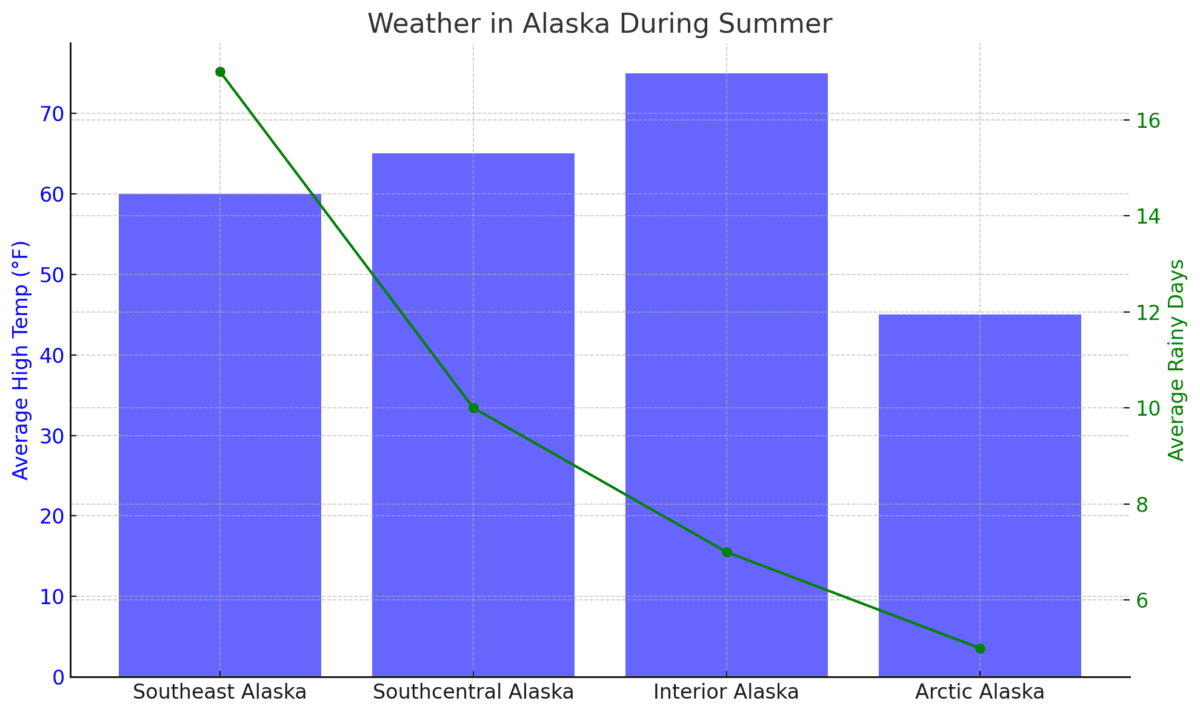
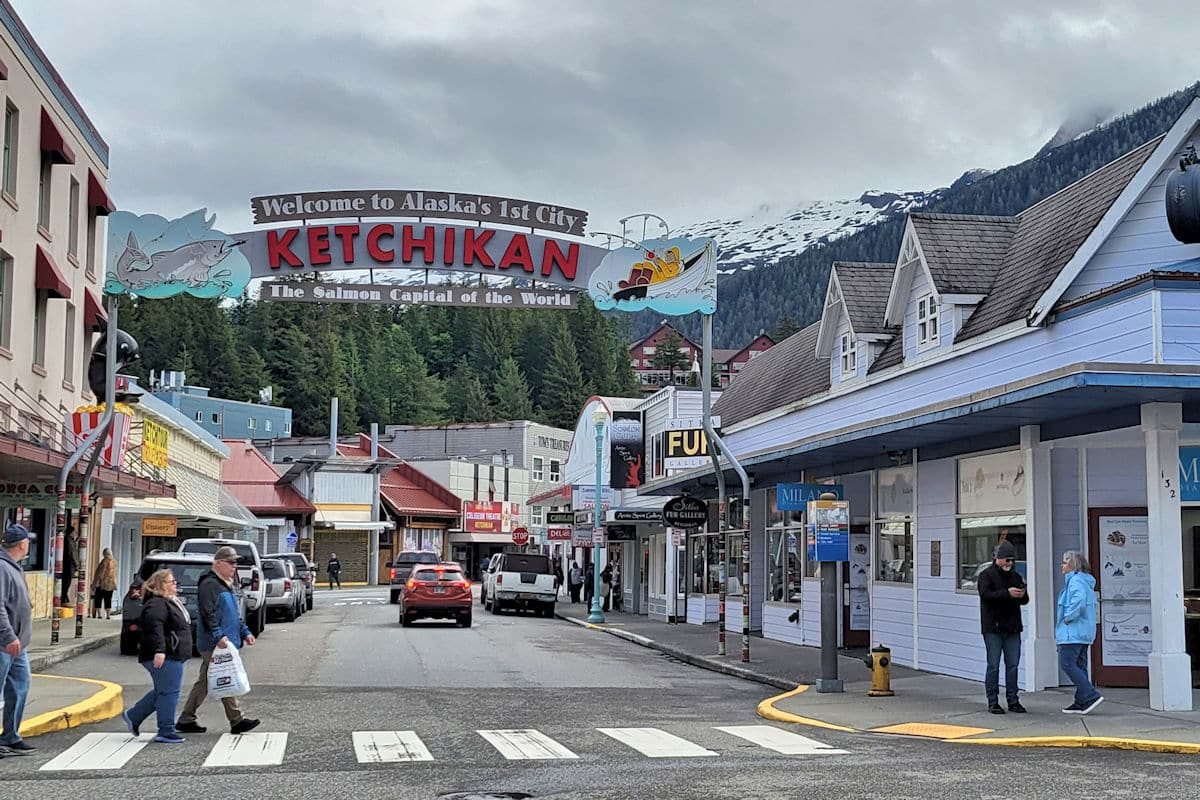
Rainfall varies across the state. Ketchikan and Sitka, for instance, are among the wettest cities. They each see more than 160 days of rain each year.
Temperatures remain relatively mild, and you can experience a mixed bag, from hot and warm weather to daily sprinkles and downpours.
Daylight Hours
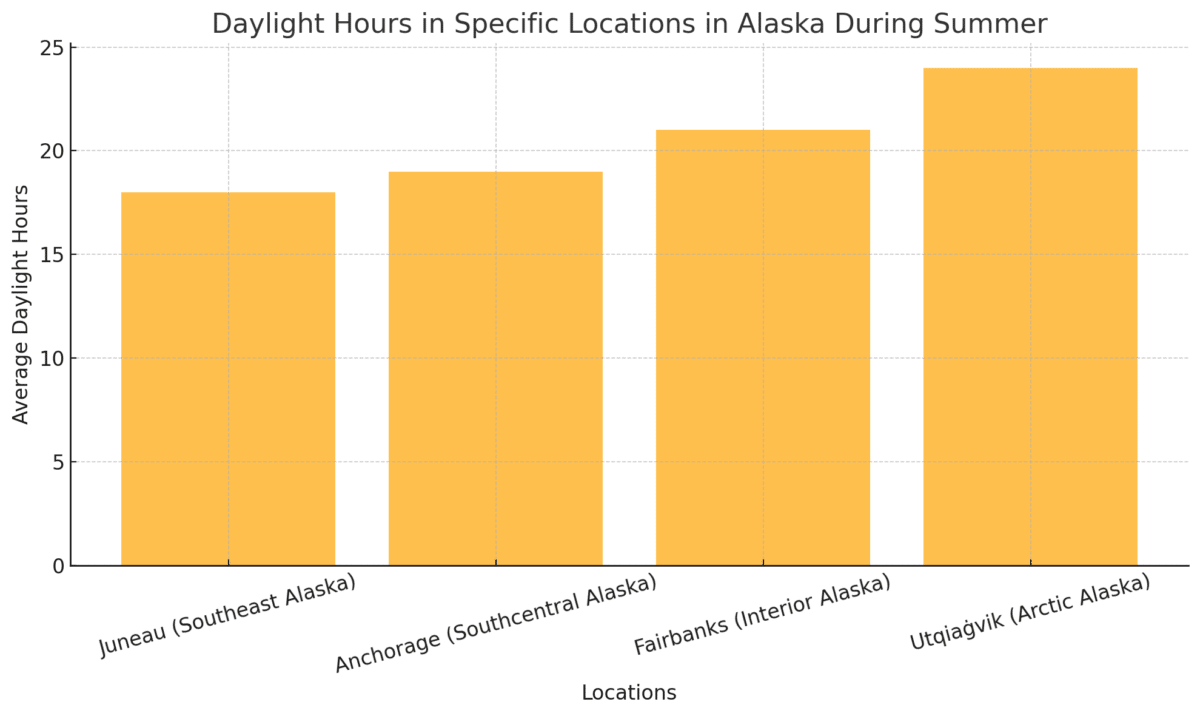
During summer, Alaska experiences exceptionally long days. In Fairbanks, the sun stays above the horizon for nearly 22 hours at the peak of summer solstice in late June.
Anchorage enjoys about 19 hours of daylight in midsummer.
This extended daylight is awesome for lots of outdoor adventures but can also cause sleep deprivation if you are not used to it.
In Denali and Fairbanks, you can enjoy “midnight ATV tours.”
Chances Of Rain
Summer rainfall in Alaska varies significantly by region.
The Interior, including Fairbanks, tends to be drier with occasional showers. Southeast coastal areas like Juneau, Ketchikan, and Sitka experience more frequent rain.
Make sure to pack weatherproof gear and be prepared for sudden weather changes. The best jackets for Alaska should be waterproof, windproof, and provide warmth.
Despite the possibility of rain, summer remains an excellent time for a trip. The rainfall keeps the Tongass National Forest lush, creating a stunning backdrop.
How to Get Around Alaska in Summer
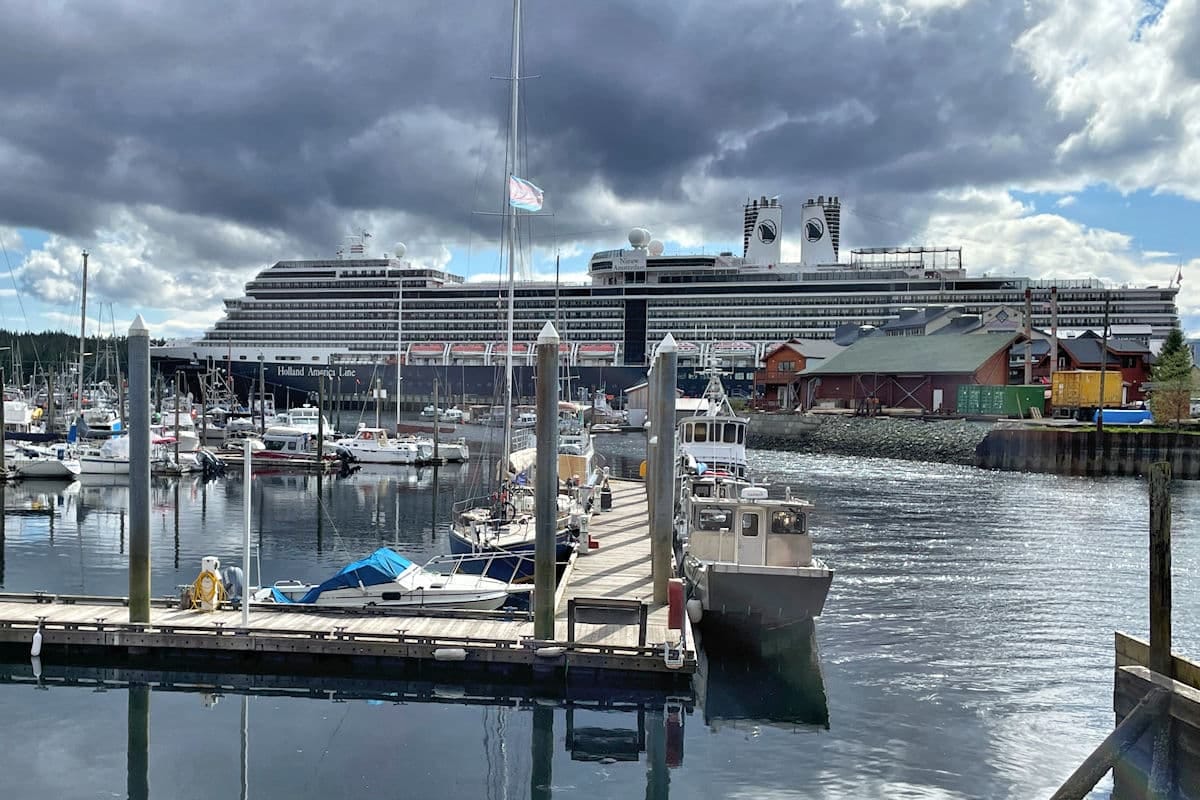
There are only two main ways to explore Alaska’s stunning landscapes: cruises and road trips.
Each option provides unique experiences – so you’ll have an awesome trip either way.
Road trips offer flexibility, so it is a great option for some travelers. You can craft your own itinerary, exploring small towns and uncovering hidden gems along the way.
Combining a road trip with the Alaskan Railroad is one of my favorite ways to see the interior.
However, the costs can add up quickly.
One downside is that land-based travel doesn’t provide access to tidewater glaciers, a highlight on many cruise ship routes.
Cruises offer a more structured experience, you can also see coastal areas and marine life. They
provide comfortable accommodations and a variety of onboard activities.
Holland America Line and Princess Cruises are top picks as they have been cruising to Alaska the longest.
Cruise passengers can easily visit multiple coastal communities without the hassle of planning transportation. The downside to cruising is the limited hours in each port.
Both options offer unique advantages, but ultimately the best choice depends on individual preferences. Some major cruise lines even offer cruise and land tours, which combine both options into one package.
Keep on reading: Is Cruising a Good Way to Travel? Learn About the Pros and Cons
How To Pack For Alaska
The biggest challenge of visiting Alaska is knowing what to pack.
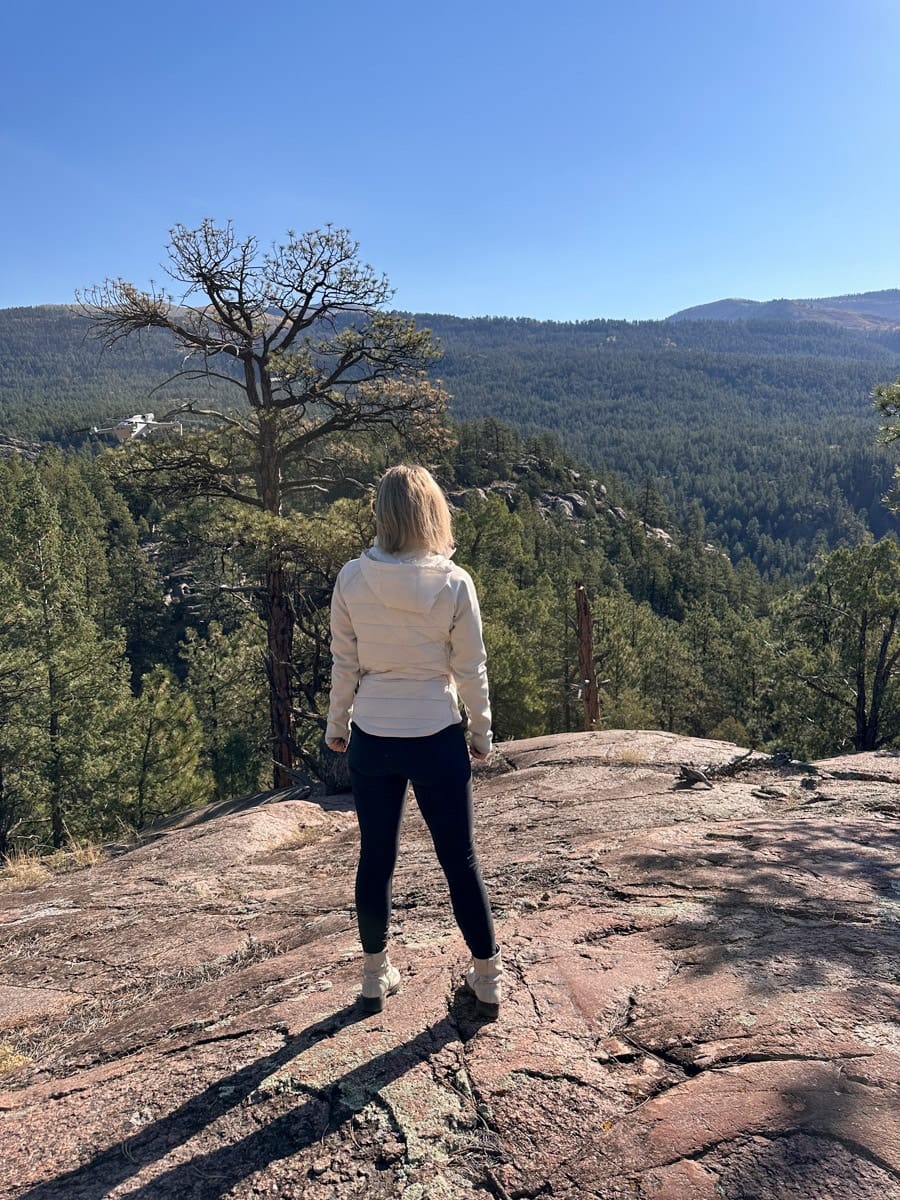
Going to Denali National Park or taking a cruise will require more layers. Start with essentials, including thermal base layers, fleece jackets, and a waterproof outer shell.
For outdoor adventures, pack comfortable hiking pants and quick-dry shirts. To accommodate temperature fluctuations, pack a mix of short and long-sleeved options.
Since it rains frequently, waterproof footwear is a great idea. Waterproof spray may suffice if you don’t already have waterproof hiking boots or runners.
Plan for warm days with sunscreen, hats, and sunglasses. The latter is a must for helicopter or
dog sledding tours on glaciers. Consider packing insect repellent for hiking trips and outdoor activities near water.
Cruise guests have the added bonus of laundry service onboard. Planning to do laundry halfway through the vacation can limit how much you have to pack of course.
Keep on reading: How To: Layering up in Style for Your Autumn Travel
Visiting Coastal Cities Vs. Interior Alaska
Keep on reading: The Ultimate 7 Day Alaska Itinerary – A Local’s Guide
Alaska’s summer climate varies dramatically between coastal cities and interior regions. So it is important to know about the differences before planning the route of your visit.
Coastal areas like Ketchikan and Sitka experience milder temperatures, typically ranging from 50°F to 65°F (10°C to 18°C).
The Pacific Ocean influences maritime climates, which results in frequent rainfall. The Ketchikan Visitor Center even has a funny “liquid sunshine gauge” near the cruise port.
If you want to visit these regions, you should prepare for unpredictable weather by packing rain gear and layers.
In contrast, interior Alaska, including cities like Fairbanks, has a continental climate with warmer and drier summers. On sunny days, temperatures can reach the 70s and even 80s Fahrenheit (20s Celsius).
The interior also experiences longer periods of daylight, with nearly 24 hours of sunlight around the summer solstice. This phenomenon, known as the “Midnight Sun,” is less pronounced in coastal areas.
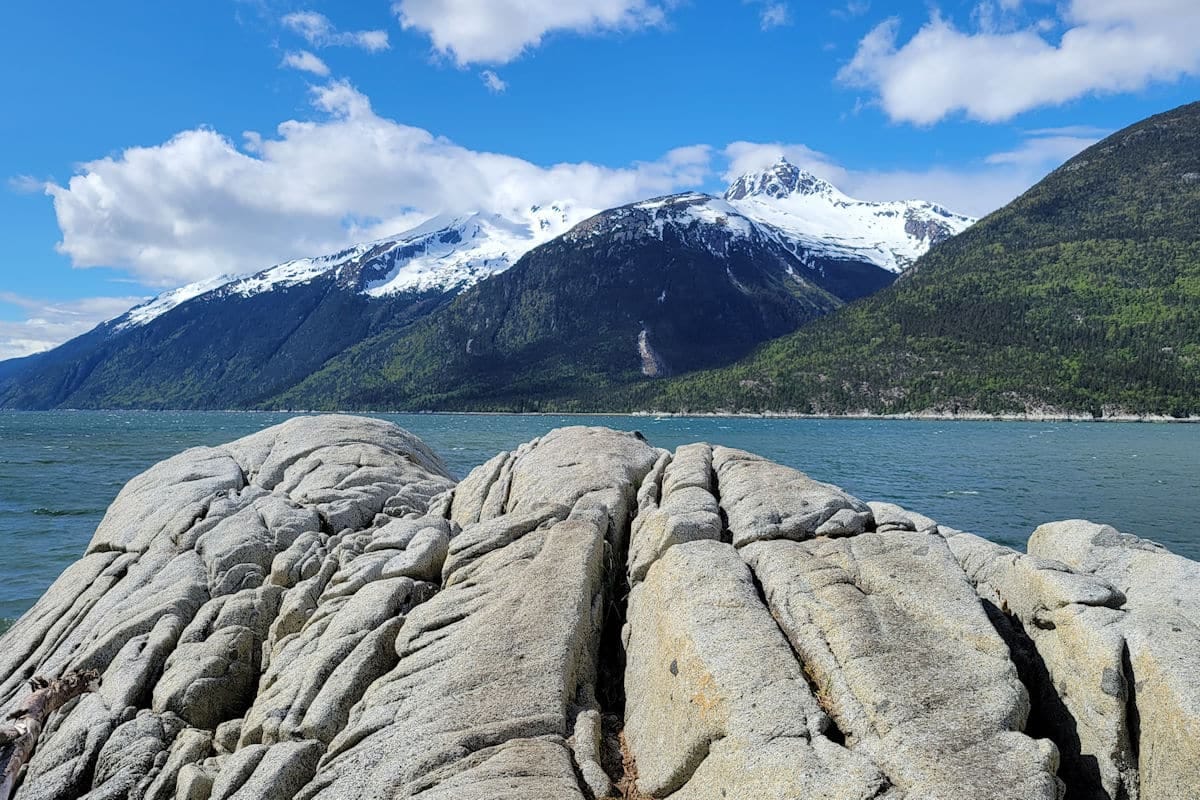
The landscapes also vary dramatically between coastal regions and the interior.
Coastal regions are full of lush, temperate rainforests and lots of marine wildlife.
Interior Alaska is famous for its vast tundra landscapes and opportunities to spot land animals. In Denali, visitors often hope to see the Big Five: Dall sheep, wolves, moose, caribou, and bears.
Depending on your preferences, you may prefer one over the other. Coastal areas are ideal for cruises and whale watching, while the interior is perfect for hiking and viewing the midnight sun.
Wildlife Encounters
Alaska’s summer offers incredible opportunities to see wildlife in their natural habitats. It is one of my favorite things to do in Alaska in the summer.
You can either join guided wildlife tours or explore animal sanctuaries for unique experiences. In the following section, I’ll give you a bit of an overview of what you can expect from each.
Wildlife Tours
Guided wildlife tours are a safe and educational way to observe Alaska’s fauna.
Boat tours in Kenai Fjords National Park offer chances to see whales, sea otters, and puffins. Those arriving in Whittier by cruise ship can take a similar excursion with Phillips Cruises.
Land-based tours in Denali National Park increase the likelihood of spotting moose, caribou,
and Dall sheep. These larger species aren’t commonly sighted in coastal areas.
Specialized bear-viewing tours in places like Lake Clark National Park allow you to observe
these magnificent creatures in their natural habitat. Bear excursions are also available on Admiralty Island in Juneau and Icy Strait Point on Chichagof Island.
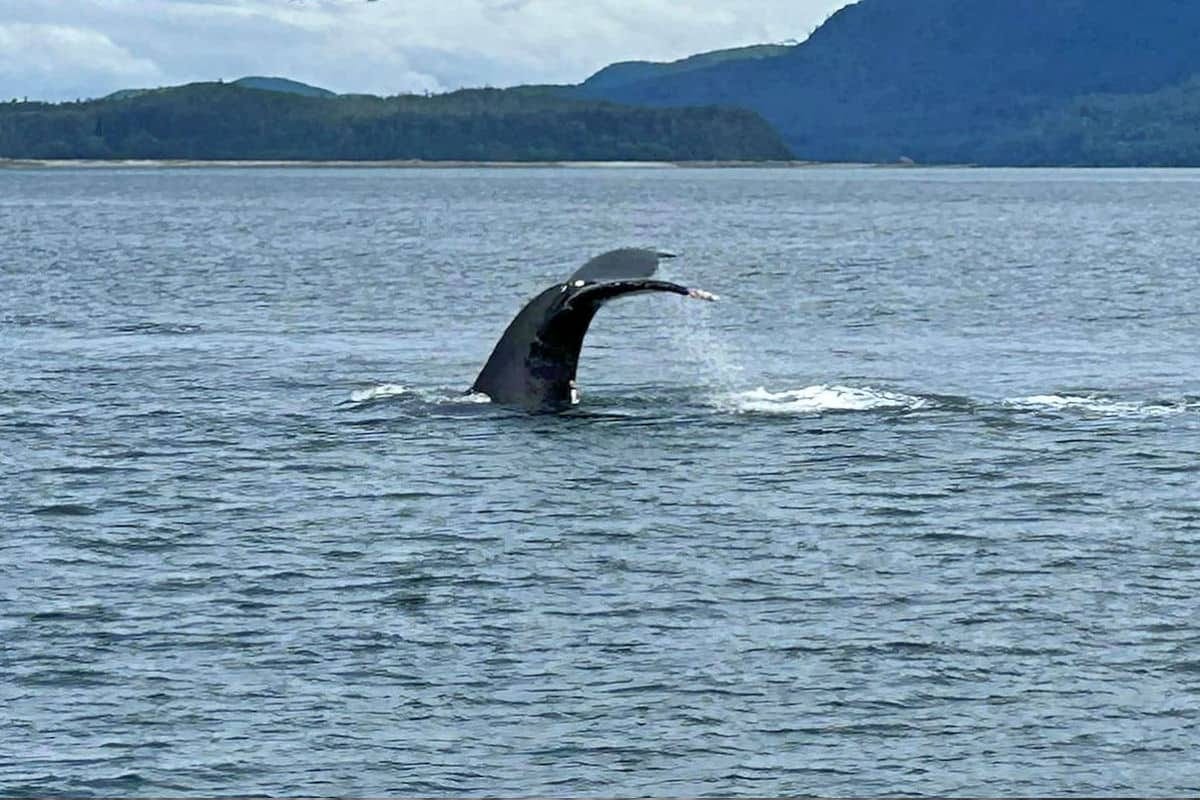
For those who prefer to see the gentle giants, whale-watching tours are best in Juneau, Icy Strait Point, and Seward. While humpbacks are the prevalent species spotted, orcas are seen too from time to time.
Animal Sanctuaries
Animal sanctuaries provide controlled environments to learn about and observe Alaska’s wildlife.
These wildlife reserves house injured or orphaned animals. I absolutely urge you to support places like that with donations at your visit.
One such place is the Alaska Wildlife Conservation Center near Whittier. It’s home to black and brown bears, moose, wolves, and wood bison, to name a few.
You can see these animals in large enclosures and learn about conservation efforts.
Sitka’s Alaska Raptor Center focuses on rehabilitating birds of prey. You can see owls, falcons, bald eagles, and other raptors here. The indoor Flight Training Center offers a chance to watch the aerial ballet of the bald eagles.
The Alaska SeaLife Center in Seward offers a unique opportunity to view marine mammals and seabirds.
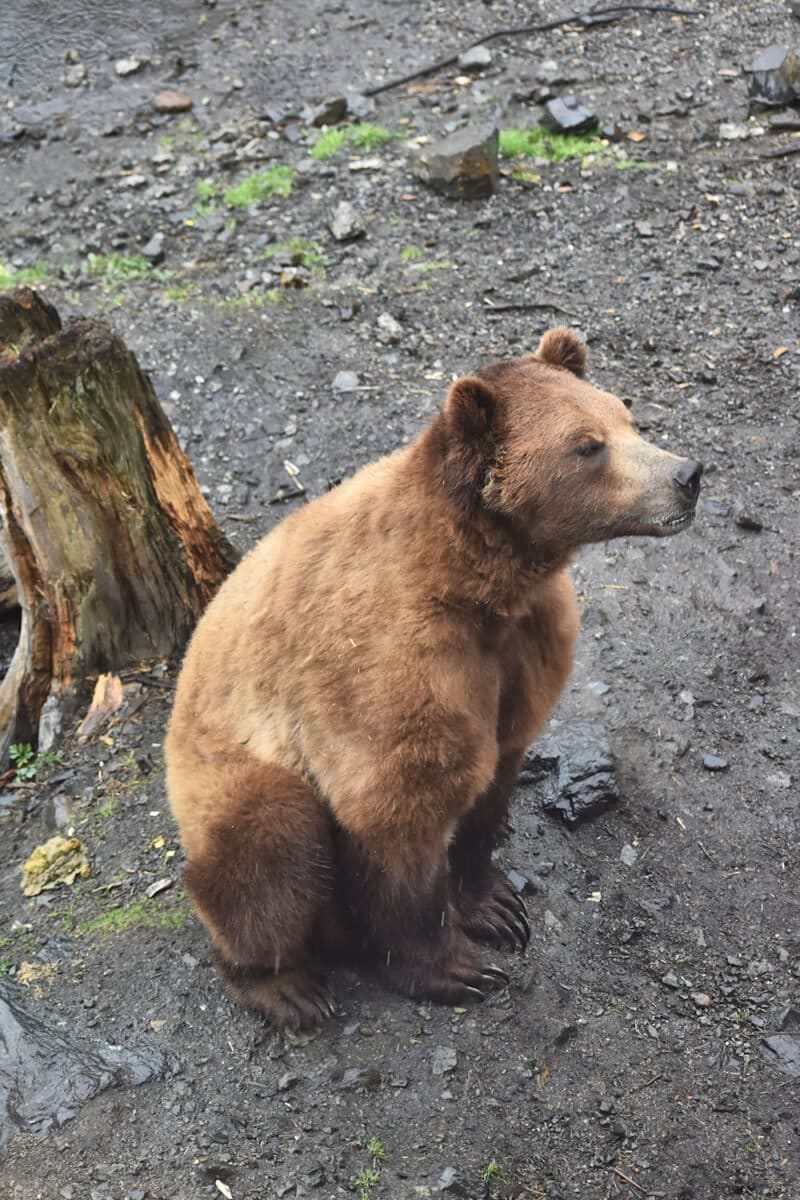
Our favorite sanctuary is the one in Sitka. The Fortress of the Bears rescues orphaned bears.
Since Alaska law does not allow bears to be returned to the wild, these animals grow up in captivity. Their enclosures mimic natural habitats, with streams in which they add salmon.
Salmon Runs
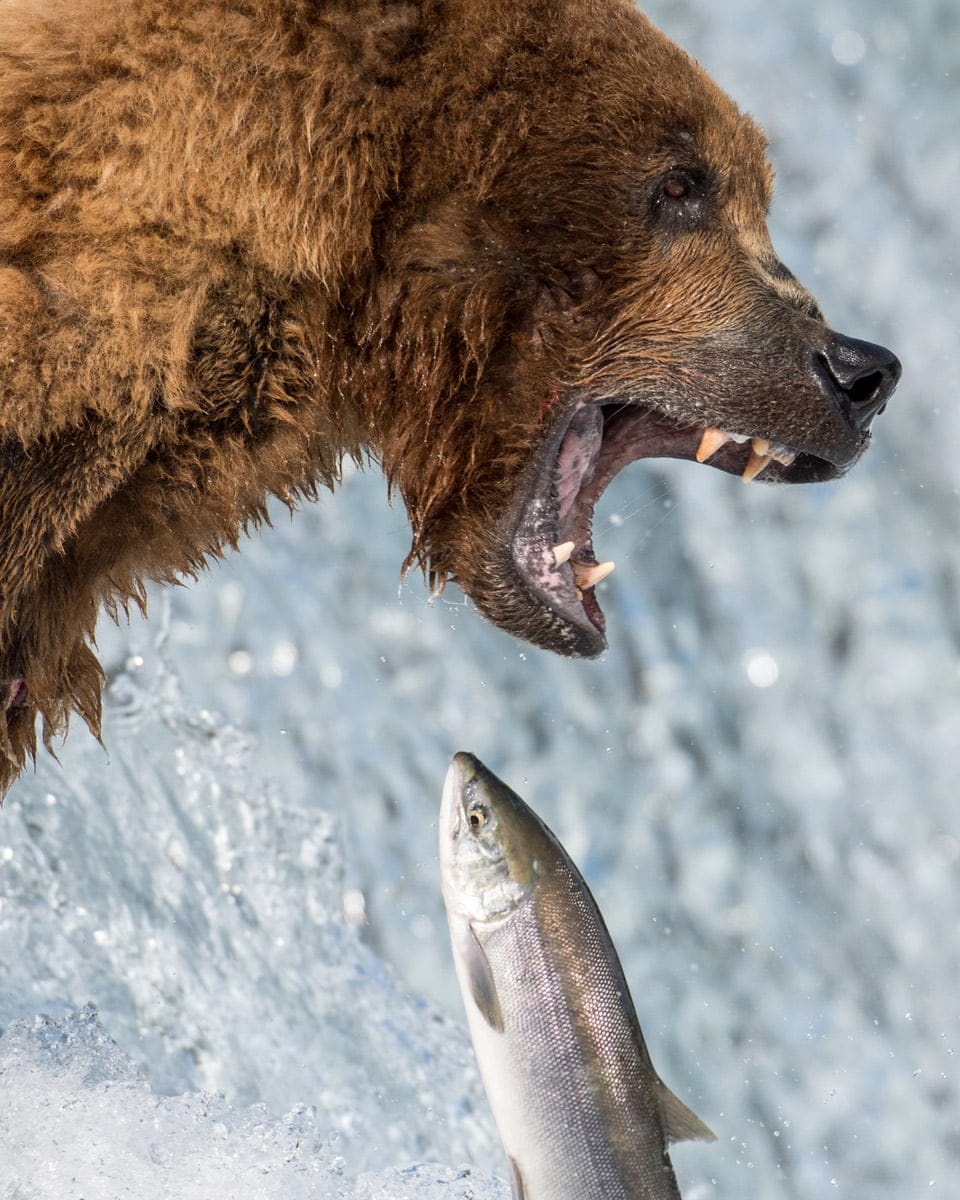
Salmon runs are a spectacular display of nature in action. From late June through September, millions of salmon swim upstream to spawn in Alaska’s rivers and streams.
This annual event attracts bears, eagles, and other predators. This is an awesome way to see these animals.
Ketchikan Creek is an ideal place to watch the salmon action, and it is easily accessible from the cruise port.
Kenai River and Brooks Falls in Katmai National Park are popular spots to witness bears at their salmon fishing. You can watch from designated viewing platforms. Keep in mind that it takes an expensive flight to reach these locations.
The Russian River and Chilkoot River also offer excellent salmon viewing. Here, you might see seals, sea lions, and bald eagles joining the feast.
Outdoor Activities
Alaska’s summer is an awesome time for outdoor activities. From scenic hiking trails to world-class fishing spots and accessible glaciers, there’s an activity for every type of traveler.
In this section, we’ll have a closer look at the most famous outdoor activities.
Hiking Trails
Alaska has a huge network of hiking trails that are suitable for all skill levels. The coastal ports of Skagway, Sitka, and Juneau especially have plenty of trails. The Mount Roberts Trail in the capital is a favorite of mine.
The Yakutania Point and Smuggler’s Cove routes in Skagway are more family-friendly.
Alternatively, Chugach State Park near Anchorage has popular trails like Flattop Mountain, which offers panoramic views of the city and surrounding landscape.
For a challenging trek, you can attempt the Chilkoot Trail, a historic 33-mile route from Dyea, Alaska, to Bennett, British Columbia. This trail crosses a border and follows the path of Gold Rush stampeders.
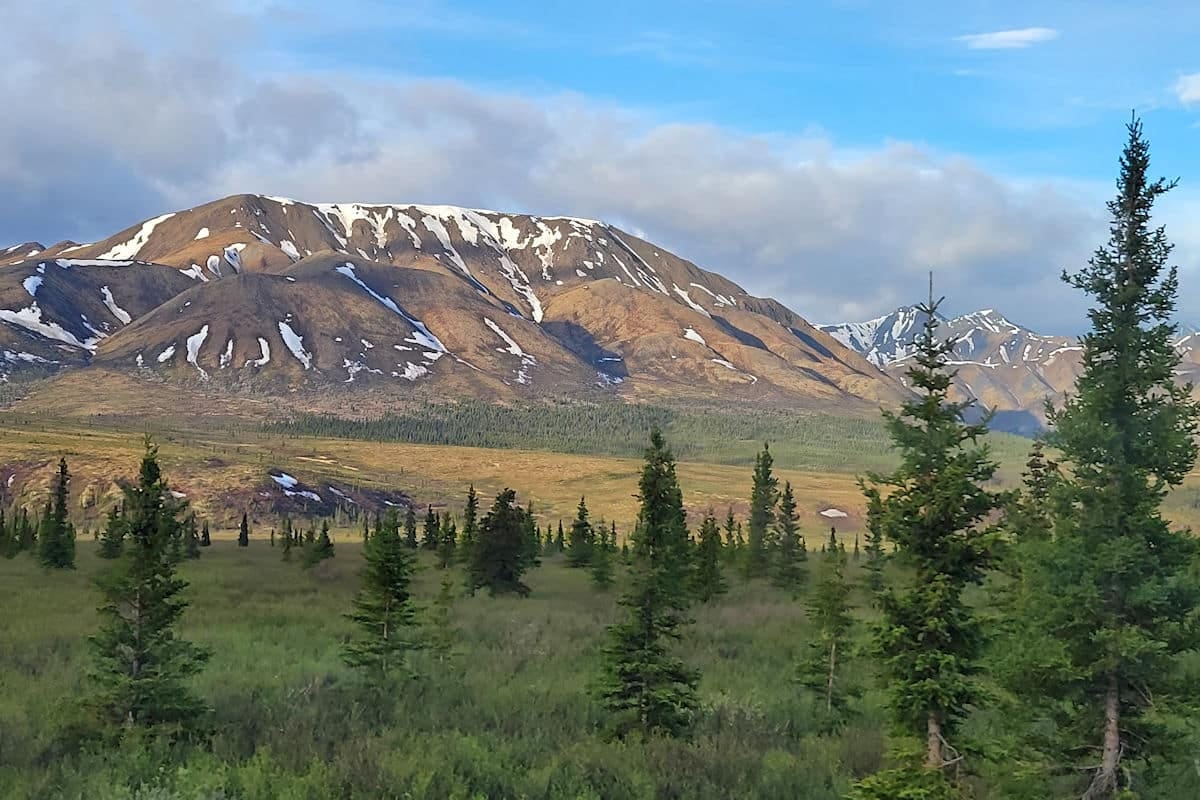
Those heading to Denali National Park can check out trails with breathtaking views of North America’s tallest peak. The Savage River Loop Trail offers an easy 2-mile hike suitable for families. For avid hikers, the more strenuous Mount Healy Overlook Trail rewards with stunning views.
Fishing And Boating
Summer in Alaska offers ideal conditions for fishing, boating, and kayaking. The state’s rivers and coastal waters teem with salmon, halibut, and trout.
Ketchikan, the “Salmon Capital of the World,” is an excellent place for halibut as well as salmon.
You can rent gear and try to catch the big one from Stedman Bridge.
For a more remote experience, fly-in fishing lodges in Bristol Bay offer access to some of the world’s best salmon runs. Kenai River, famous for its king salmon, is also among our favorites.
Kayaking and rafting are also popular on Alaska’s lakes, rivers, and ocean fronts. In Icy Strait Point, your kayaking adventure might be accompanied by humpback whales.
Prince William Sound offers sea kayaking adventures among glaciers and wildlife. Inland, the Nenana River near Denali provides lots of whitewater rafting experiences.
Accessible Glaciers
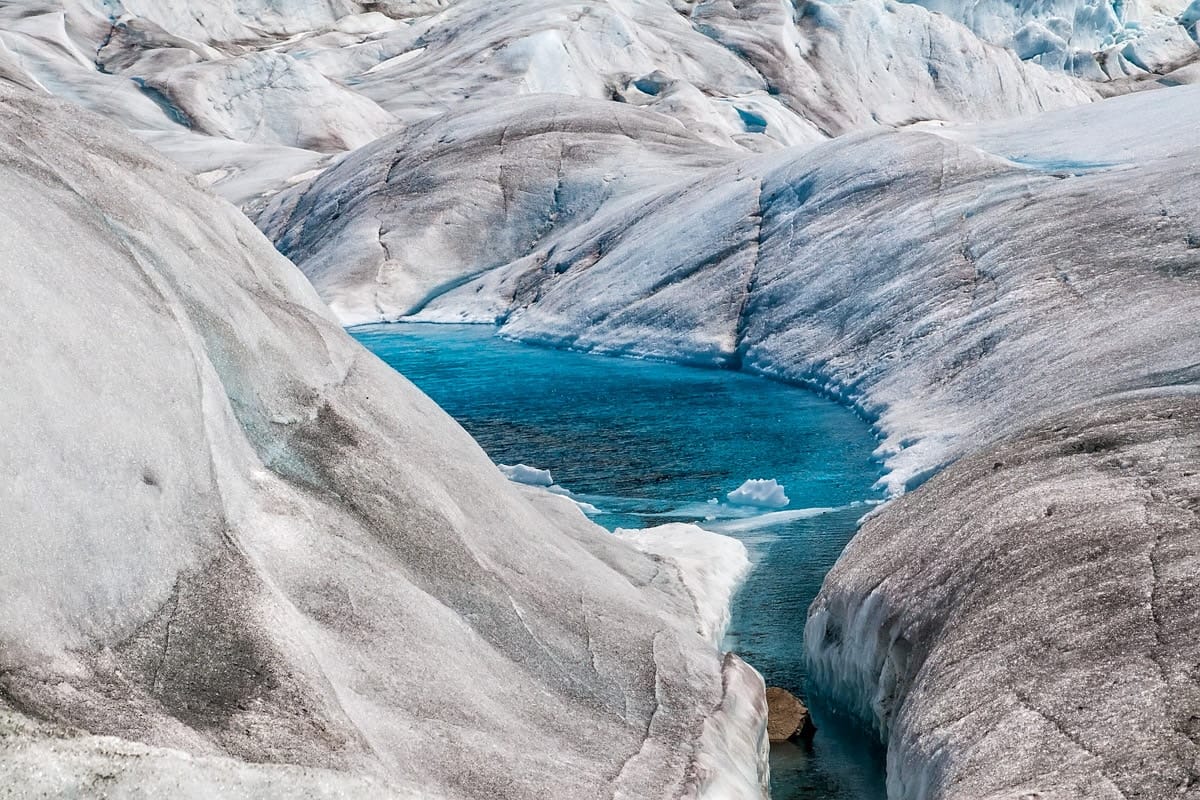
Many travelers visit Alaska to see its glaciers. Sadly, many of these are receding at an alarming rate.
Mendenhall in Juneau and Exit Glacier in Kenai Fjords National Park are the most accessible in summer, and you don’t need a tour to reach them.
Matanuska Glacier is located just two hours from Anchorage and allows visitors to walk directly on the ice with guided tours. The surreal landscape of blue ice and crevasses is 27 miles long and 4 miles wide.
Flightseeing tours from Juneau or Skagway offer a unique perspective of ice fields and the glaciers, including the famous Mendenhall Glacier.
These tours often include glacier landings. You can even step onto the ice and experience its grandeur firsthand. I suggest combining them with a dog sledding tour for the ultimate Alaskan adventure.
Conclusion: Alaska in Summer
Alaska in summer is a dream come true – and it is my favorite time to visit.
You can go chasing wildlife in Denali, hiking through lush forests, or seeing beautiful glaciers. There’s no shortage of breathtaking experiences.
You can experience the midnight sun, enjoy long days packed with activities, and take in the stunning landscapes.
Choosing between a cruise or a road trip depends on your vibe. Cruises are perfect for those who love a mix of luxury and convenience. You’ll get to see coastal views and cool stops in charming towns like Juneau and Ketchikan.
Road trips give you the freedom to explore at your own pace, diving deeper into the heart of interior Alaska.
The weather can be unpredictable, but that’s part of the charm! Pack layers for mild temperatures and some rain, and you’re good to go.
Summer in Alaska is unforgettable—get ready for an adventure like no other!

About the Author
Justin is a military pilot and travel blogger.
Justin enjoys discovering the world together with his wife and venturing out with his drone to take magical shots.