Are you looking for a cultural travel guide for Austria? Then you are in the right spot!
Before traveling to a new country, you probably have a lot of questions. Do I have to tip in Austria? Do people speak English in Austria? What are the best places to visit in Austria?
These and many more questions will be answered in this ultimate Austria travel guide.
I have lived the first 25 years of my life in Austria, and I have seen it all. I will be your trustworthy source for customs, dos and don’ts, and everything else you need.
Let’s get to it!

The Austrian Culture
What Are Austrians Like?
Austrian culture is deeply rooted in traditions, music, and art. They love their classical composers like Mozart and Strauss and other famous artists like Falco.
The people are warm, polite, and value hospitality. Usually, they express their kindness through thoughtful gestures and by offering food and drink. They love serving local dishes, and it is considered impolite not to try some.
Viennese people are considered pretty rude by other Austrians, so don’t form an opinion about us when just visiting Vienna.
Austrians also have a strong appreciation for nature. They love outdoor activities and keeping their cities clean and green.
Austrians are proud of their rich history and heritage. We love blending modern life with centuries-old customs like coffeehouse culture and festivals.

What Languages Do Austrians Speak?
The official language of Austria is German, and it’s understood by the majority of the population. People don’t enjoy speaking “proper” German, so you won’t hear it too often.
Austrians typically speak a variation called Austrian German, which includes unique words and expressions.
In most regions, people also speak very intense local dialects, especially in rural areas. It is very hard to understand for foreigners. Most people within Austria even have trouble understanding each other.
Some people, especially in the cities, speak English in addition to German.

Do Austrians Speak English?
Sadly, many Austrians are terrible at speaking English. Especially older people and people living in rural areas are not really exposed to the English language.
In bigger cities, like Vienna, Graz, and Salzburg, it is more common for people to speak English.
Younger people, and people with University degrees, usually have a basic knowledge of the English language, but they are often insecure about using it.
When traveling to rural Austria, I suggest learning a couple of phrases in German to get around more easily.
Austrian Core Values
There are a couple of things that we Austrians consider important.
When coming here, try to stick to our values as best as possible, then you’ll have an amazing time, and people will immediately welcome you with open arms.
Here are some Austrian core values:
- Politeness: We love sticking to social rules and rituals.
- Hospitality: if you leave the house of a traditional Austrian family, you’ll likely have eaten a lot and have leftovers to go.
- Generosity: Austrians are very generous. We love helping out neighbours and friends, and we expect it in return. We don’t like splitting the bill, and we always let our generosity show whenever possible.
- Punctuality: if you have an appointment in Austria, be at least 5 minutes early. We don’t appreciate tardiness.
- Hard Work: We pride ourselves on being hard workers (to a fault, we don’t relax well).
Do’s and Don’ts in Austria
Dos in Austria
👍🏻 Greet politely: Always say “Grüß Gott” or “Guten Tag” when entering shops or meeting people.
👍🏻 Tip appropriately: Round up the bill or tip around 5-10% in restaurants and cafes. If the service is bad, you don’t need to tip at all.
👍🏻 Respect quiet hours: Avoid loud noises, especially in residential areas, during designated quiet times (typically after 10 PM). Do not call on speakerphone in public.
👍🏻 Be punctual: Austrians value timeliness, so be on time for appointments or social events.
👍🏻 Explore local cuisine: Try traditional dishes like Wiener Schnitzel, Apfelstrudel, and Sachertorte.
👍🏻 Respect traditions: Participate in or observe festivals like Christmas markets or local parades with respect.
👍🏻 Recycle: Austria takes recycling seriously; use the bins provided for sorting waste properly.
Don’ts in Austria
👎🏻 Don’t jaywalk: Always use crosswalks and wait for the pedestrian light to turn green.
👎🏻 Don’t skip greetings: Failing to greet or thank people can be seen as rude.
👎🏻 Don’t make loud noises: Austrians value peace and quiet, especially in public transportation and residential areas.
👎🏻 Don’t smoke in non-smoking areas: Follow the rules about smoking; many places have strict no-smoking policies.
👎🏻 Don’t be late: Arriving late is considered disrespectful and unprofessional.
👎🏻 Don’t assume everyone speaks English: While many do, it’s polite to ask before starting a conversation in English.
👎🏻 Don’t touch historical artefacts: In museums or historic sites, respect the rules and avoid touching displays.
Frequently Asked Questions About Austria
Can You Drink Tap Water in Austria?
Yes, you can definitely drink tap water in Austria. It tastes delicious and is very clean.
Another popular thing to drink in Austria is mineral water. It is sparkling water from natural springs, it contains lots of healthy minerals and electrolytes. You’ll encounter a wide variety of products in supermarkets.
Can You Pay With a Credit Card in Austria?
Technically, you can pay with a debit card almost anywhere in Austria.
Credit cards are usually accepted in tourist areas as well, although they are not too popular with Austrians. Visa and MasterCard are pretty popular; American Express is usually not accepted.
In smaller shops, markets, and rural areas, you definitely need some cash. Don’t bring big Euro bills (like 100, 200 and 500), since most shops don’t accept these.
A lot of places prefer cash payments all over the country, so make sure to have some cash ready. Austrians are deeply distrustful of cash-free payments, so keep that in mind on your trip.
Is Austria Safe (For Solo Female Travellers)?
Austria is one of the safest countries I have ever visited (and I have been all over the world).
Even being by myself as a young girl late at night, I have never felt unsafe. Violent crime and human trafficking is pretty rare.
Just like in any place in the world, there are a couple of areas that have more crime than others. Especially in bigger cities, there are poorer neighbourhoods and places where drugs are frequent. Try to avoid these places as best as possible.
Catcalling does not happen often, and you can dress however you like in Austria. Keep in mind that certain multicultural neighbourhoods in the cities are sadly not as tolerant, so I would avoid these anyway.
The biggest risk on your travel in Austria is probably pickpockets and scammers from nearby Eastern Europe. They frequent cities like Vienna and Graz and sometimes pose as beggars, in reality being up to no good and part of a crime syndicate.
Luckily, the police are well respected in Austria, and they usually have a good grip on things.
Supermarkets in Austria
One important thing to know before traveling to Austria is that supermarkets and stores are closed on Sundays and other holidays.
We take our days of rest super seriously, so you won’t be able to easily do shopping here on the weekends or during holidays.
Of course, there are certain shops (usually in airports and train stations) that are open on Sundays as well, but you should avoid them unless you really need something urgent.
Austrians consider it frivolous and rude to go shopping on Sunday, and if it were up to them, no shop would be open at all.
Is Austria LGBTQ+ Friendly?
Austria is pretty LGBTQ+ friendly, especially in bigger cities like Vienna, Graz, and Salzburg. We do not discriminate against people, no matter their sexual orientation.
However, Austrians love being low-key, and they don’t appreciate people flaunting anything really (whether it is your sexual orientation, your food preferences, or your political views).
You can pretty much do and believe in whatever you like, as long as you don’t try to push it on people and try to force others to change for your benefit.
You won’t encounter people who dislike you for your sexual orientation, but don’t expect anyone to wave pride flags or call you by a different pronoun besides he or she. People in rural areas are not that progressive.
Driving in Austria
Dos for Driving in Austria
🚘 Buy a vignette: You’ll need a vignette (toll sticker) to drive on Austrian highways. Purchase one before entering the highway.
🚘 Follow speed limits: Speed limits are strictly enforced—50 km/h in cities, 100 km/h on open roads, and 130 km/h on highways unless otherwise posted.
🚘 Carry required items: Always have your driver’s license, vehicle registration, reflective jacket, warning triangle, and a first-aid kit in your car.
🚘 Use snow tires in winter: From November 1 to April 15, snow tires or chains are mandatory in snowy or icy conditions.
Don’ts for Driving in Austria
🚘 Don’t drink and drive: Austria has a strict blood alcohol limit of 0.05%, or 0.01% for drivers with less than two years of experience.
🚘 Don’t use your phone while driving: Using a handheld phone is prohibited unless you have a hands-free system.
🚘 Don’t ignore right of way: At uncontrolled intersections, vehicles coming from the right have priority.
🚘 Don’t park anywhere: Always park in designated areas and check for restrictions or permits, especially in cities.
Do I Need a Car When Visiting Austria?
It really depends on whether or not you need a car when visiting Austria.
If you are planning on visiting bigger cities like Vienna, Salzburg, Graz, or Innsbruck, then you won’t need a car. Public transportation is excellent, and you can travel between the places easily.
If you want to explore nature or see rural areas, you absolutely need a car. Technically, there is public transport almost anywhere, but it gets less frequent and more complicated the farther out of the cities you go.
Exploring Austria is definitely super nice with a car; it is the best option in my opinion.
Keep on reading: How to plan the perfect road trip in Austria
Weather in Austria
Austria has a temperate continental climate. It has four distinct seasons, like you’d see it in a picture book.
Winters (December to February) are cold, especially in the mountains. Snowfall is common; that’s why Austria is a haven for winter sports enthusiasts.
Summers (June to August) are warm and pleasant. The average temperatures range from 20-25°C (68-77°F), perfect for hiking and exploring nature or going on a city trip.
Spring (March to May) and autumn (September to November) are mild, with comfortable temperatures. You’ll get to see beautiful scenery, especially during the fall foliage. Spring can be a bit muddy after the snow melts.
Precipitation is evenly distributed throughout the year, but summer can bring occasional thunderstorms.
The climate is pretty different depending on the region. The Alps have cooler temperatures and a lot more snowfall.

Best Time To Visit Austria
As an Austrian myself, I can promise you that there is no bad time to visit Austria. However, there are a couple of months that are even more amazing than the rest.
My favourite times to visit Austria are May, July, December, and October. And in the following chapter, I’ll show you why!
May in Austria
May in Austria is magical because the countryside comes to life with blooming flowers and lush greenery. All the ugly mud from the molten snow is gone, and the days become longer!
It is the perfect time for hiking and outdoor adventures. The weather is mild and sunny, which is also ideal for exploring cities like Vienna or Salzburg without the summer crowds.

July in Austria
July is another one of my favourite months to visit Austria. The days are long and hot, perfect for swimming in the crystal clear blue lakes or cooling down by hiking in the Alps.
It is also outdoor seating season, so the evenings are usually spent in restaurants or on patios outside with mild temperatures and a great atmosphere!
While the cities get pretty busy, there are lots of cool festivals and activities as well!

October in Austria
October is one of the most underrated months in Austria – but definitely one of my favorites.
It is the height of fall foliage, so the countryside is super beautiful. There are still lots of sunny days and mild temperatures, with some gloomy days in between to get you in the fall mood.
Also, the Southern area of Austria is wine-producing, so you’ll have harvest festivals and wine presentations.
October is not very busy in Austria, the winter sport fanatics have not yet arrived, and the summer masses are long gone – so it is perfect!

December in Austria
December in Austria is a winter wonderland, with snow-dusted landscapes and festive cheer everywhere you go. It is my favorite time to visit!
The famous Christmas markets in cities like Vienna, Salzburg, and Innsbruck are totally worth seeing, but also smaller markets like Hallstatt are super cute!
Christmas in Austria is fabulous; there is no way around it.
Keep on reading: 15 Austrian Christmas Traditions – A Local’s Guide

Best Places to Visit in Austria
Federal States (Bundesländer)
First of all, we’ll have a look at the different federal states, and talk about the highlights in each one of them.
Austria is divided into 9 federal states (counties), each with its unique charm and totally worth visiting:
- Vienna (Wien): The capital, known for its imperial palaces, St. Stephen’s Cathedral, and world-class museums.
- Lower Austria (Niederösterreich): Features the Wachau Valley, a UNESCO World Heritage site, famous for vineyards and medieval castles.
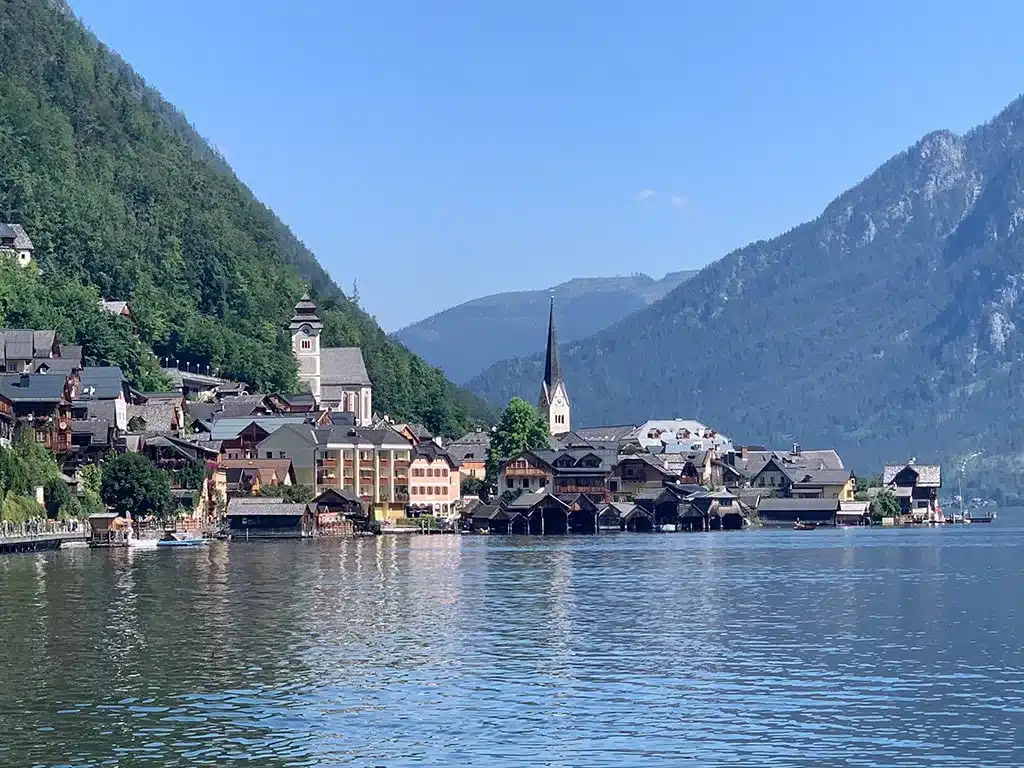
- Upper Austria (Oberösterreich): Home to the stunning Hallstatt, a picturesque lakeside village with salt mines and alpine views.
- Styria (Steiermark): Known for its green landscapes, wine regions, and the city of Graz, a cultural hotspot.
- Carinthia (Kärnten): A lake lover’s paradise with Wörthersee and mountains ideal for hiking and skiing.
- Salzburg: Famous for Salzburg city (Mozart’s birthplace), Mirabell Gardens, and the dramatic Alps.
- Tyrol (Tirol): The hub for skiing and alpine adventures, with Innsbruck offering a mix of history and mountain vibes.
- Vorarlberg: Known for Lake Constance and innovative architecture blending modernity with tradition.
- Burgenland: The sunniest region, famous for Lake Neusiedl, wine production, and a mix of Austrian and Hungarian cultures.

Touristic Regions
The Alps
Description: Beautiful mountain chain that stretches across western and southern Austria
Activities: Skiing, snowboarding, and other winter sports dominate in winter; summers offer hiking, mountain biking, and climbing.
Where to Go: Innsbruck (the “Capital of the Alps”), Kitzbühel, and Zell am See for pristine lakes
Why Visit?: Stunning mountain landscapes, traditional alpine villages, and world-class ski resorts.

Salzkammergut
Description: Known as Austria’s Lake District! This region is famous for its crystal-clear lakes and fairytale towns, perfect for Instagramming
Activities: Swimming, boating, hiking, and exploring charming villages like Hallstatt.
Where To Go: Hallstatt, Wolfgangsee, and Bad Ischl (former summer retreat of Austrian royalty).
Why Visit?: A perfect mix of natural beauty, quaint towns, and a serene atmosphere.
The Danube Valley (Wachau)
Description: A UNESCO World Heritage site! The Danube Valley is a stretch of vineyards, medieval castles, and charming towns along the Danube River.
Activities: Wine tasting, cycling along the Danube Cycle Path, and visiting historical landmarks. Don’t forget to see the apricot flowers in spring!
Where To Go: Melk Abbey, Dürnstein, and Krems.
Why Visit?: It’s ideal for wine lovers, photographers, and those seeking a scenic getaway.

Vienna and Surroundings
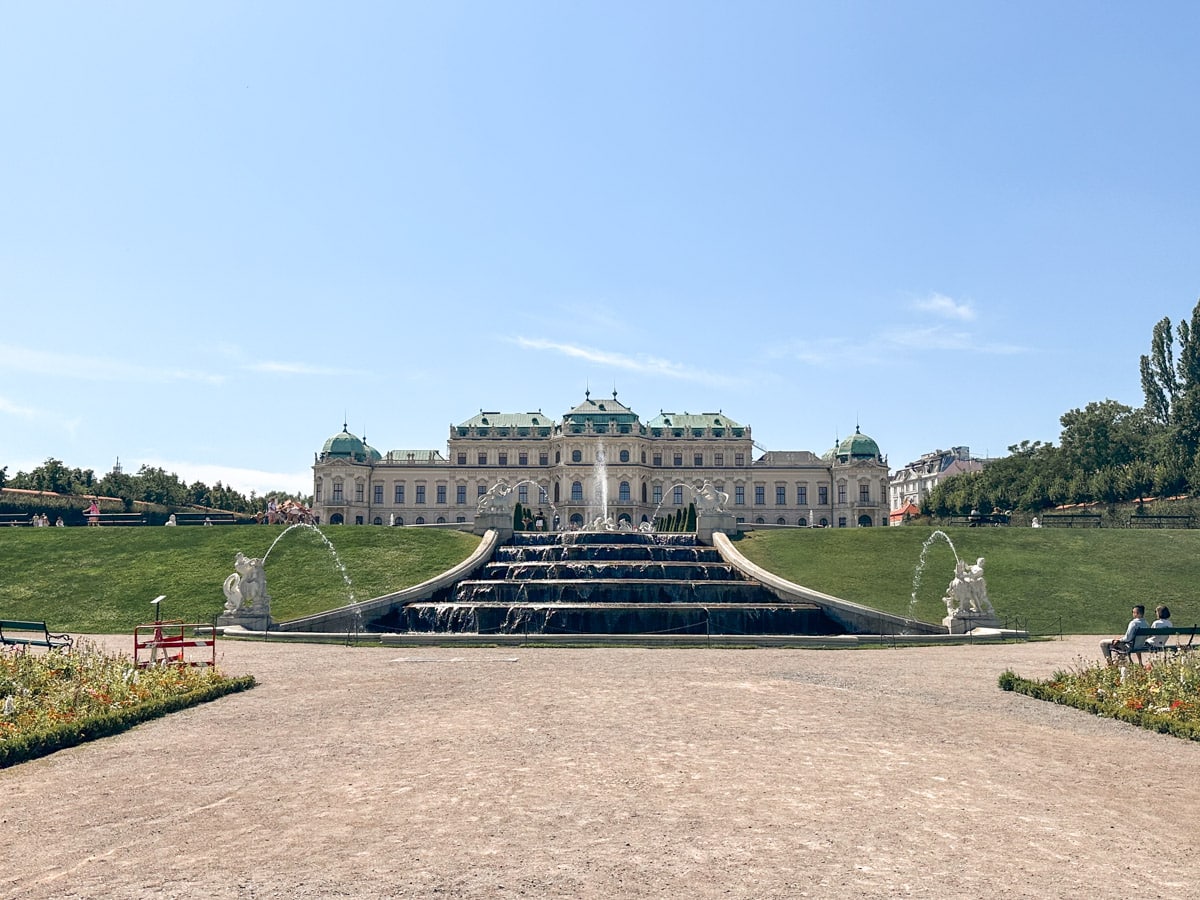
Description: The cultural heart and capital city of Austria! Vienna blends imperial history with modern charm.
Activities: Visit iconic landmarks like Schönbrunn Palace, the Hofburg, and the Vienna State Opera. Explore vineyards and the Vienna Woods nearby.
Where To Go: Vienna Old Town and nearby towns like Baden for spa experiences.
Why Visit?: A mix of history, art, stunning castles, and city life.
Carinthian Lakes
Description: Austria’s southernmost region, known for its warm climate and beautiful lakes.
Activities: Swimming, sailing, and exploring lakeside towns. Winter offers skiing in nearby mountains.
Where To Go: Wörthersee (Velden), Millstätter See, and Faaker See.
Why Visit?: Perfect for relaxation, water sports, and alpine scenery.

Burgenland
Description: The sunniest region in Austria, bordering Hungary and known for its vineyards and Lake Neusiedl.
Activities: Wine tasting, bird watching in the lake’s national park, and enjoying the mix of Austrian and Hungarian cultures.
Where To Go: Rust, Eisenstadt (Haydn’s hometown), and Lake Neusiedl.
Why Visit?: Ideal for wine enthusiasts and those seeking a quiet escape.

The Styrian Region
Description: Known as the “Green Heart of Austria,” Styria is lush, with forests, vineyards, and mountains.
Activities: Wine tasting, exploring the Styrian Wine Road, and visiting spas like those in Bad Radkersburg.
Where To Go: Graz (UNESCO World Heritage Site), Dachstein Glacier, and Schladming.
Why Visit?: A blend of outdoor activities, culture, and culinary delights.

The Vorarlberg Region
Description: Austria’s westernmost region, blending alpine beauty with modern architecture.
Activities: Skiing, hiking, and enjoying the arts, like the Bregenz Festival on Lake Constance.
Where To Go: Bregenz, Lech, and Montafon Valley.
Why Visit?: A unique combination of nature and cultural innovation.

Conclusion: Austria Travel Guide
This helpful Austria Travel Guide is an amazing place to start researching for your adventure. As an Austrian myself, I know all the kinks and secret tips about traveling to this beautiful country!
If you are in need of some more in-depth info besides all of these cultural do’s and don’ts, best places to visit in Austria, and even weather charts, I suggest checking out my other categories and reading more about traveling in Austria.
Austria has so much to offer, from stunning Baroque castles to impressive mountains and deep blue lakes. It is a welcoming and friendly country that should definitely be on your bucket list!
Keep on reading:
🇦🇹 Discover: Hallstatt Christmas Market and Activities in Winter
🇦🇹 Vienna in Summer – Amazing Things to Do!
🇦🇹 Christmas in Austria – the ultimate Bucket List
🇦🇹 A beautiful day in Hallstatt, Austria – winter and summer
🇦🇹 Winter in Vienna, Austria – amazing things to do
🇦🇹 How to plan the perfect road trip in Austria
🇦🇹 Vienna to Hallstatt One Day Trip: Local’s Guide
🇦🇹 One Day in Salzburg Itinerary
About the Author
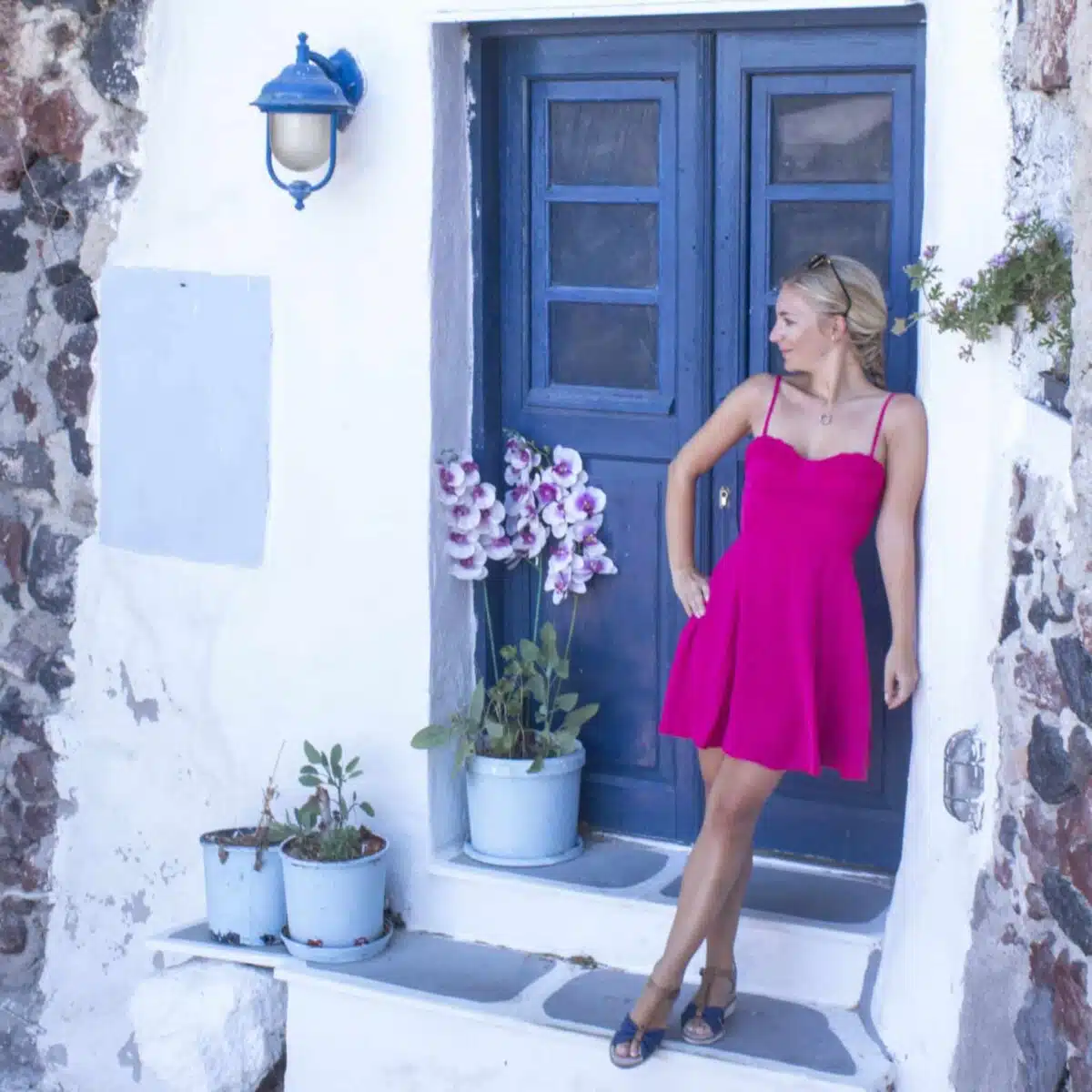
Hi friend, I am Sabrina, a passionate travel blogger and photographer from Austria.
I love capturing the world through the lens of the seasons, chasing soft spring blooms, golden autumn light, and cozy winter moments along the way. My goal is to help you discover destinations at their most magical moments.